

 Français
  Español
  Italiano
  Deutsch
  Nederlands
  Português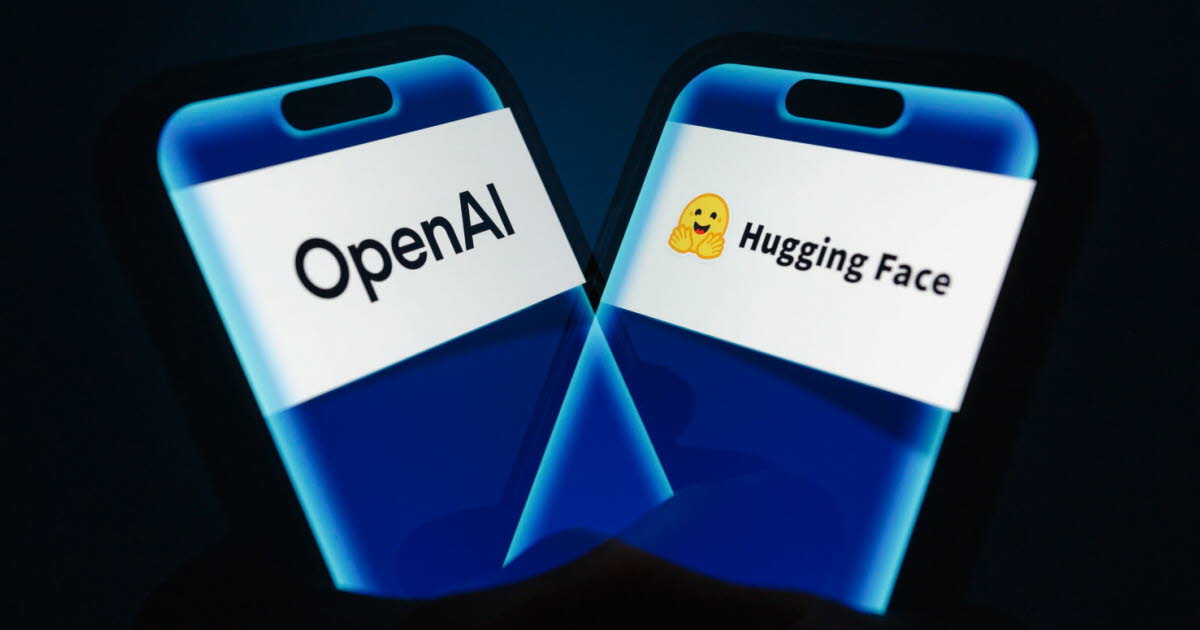
In July 2026, OpenAI and Hugging Face disclosed a security incident that occurred during a collaborative model evaluation process. This event raised critical questions about AI security, third-party integrations, and the safeguards necessary to protect sensitive data in AI-driven workflows. Below, we explore the incident, its root causes, and the broader implications for businesses leveraging AI technologies.
Key Takeaways
- The July 2026 incident involved a security vulnerability during a joint OpenAI-Hugging Face model evaluation.
- Potential data exposure highlighted risks in AI workflows, particularly around third-party integrations.
- OpenAI and Hugging Face implemented corrective measures to prevent future breaches.
- Businesses must prioritize cybersecurity in AI deployments, including access controls and encryption.
- Retriever-Augmented Generation (RAG) and API integrations require rigorous security protocols.
- The incident underscores the need for transparency and compliance in AI ethics.
What Happened During the Incident?
According to OpenAI’s official disclosure, the security incident occurred while evaluating AI models in collaboration with Hugging Face. While the exact nature of the vulnerability remains under investigation, the event involved potential unauthorized access to sensitive data during the evaluation process. Both companies acted swiftly to contain the breach and implement corrective measures.
This incident is not isolated. AI model evaluations often involve large datasets, third-party tools, and complex integrations, all of which can introduce security risks if not properly managed. The event serves as a reminder that even industry leaders must remain vigilant against evolving cybersecurity threats.
Root Causes and Contributing Factors
1. Third-Party Integrations and API Vulnerabilities
AI workflows frequently rely on third-party APIs and tools, such as those provided by Hugging Face. While these integrations enhance functionality, they can also introduce vulnerabilities if security protocols are not strictly enforced. In this case, the incident may have stemmed from gaps in access controls or data encryption during the evaluation process.
2. Data Handling and Storage Practices
Model evaluations often require temporary storage of sensitive data, including proprietary algorithms or user information. If data handling practices are not aligned with security best practices—such as encryption at rest and in transit—exposure risks increase. The incident highlights the need for robust data governance frameworks in AI projects.
3. Lack of Real-Time Monitoring
Security incidents often go undetected until after the fact. The OpenAI-Hugging Face event underscores the importance of real-time monitoring tools to identify and mitigate threats before they escalate. Businesses should invest in AI-driven security solutions that can detect anomalies in data access patterns.
Consequences and Broader Implications
1. Reputational and Trust Impact
For OpenAI and Hugging Face, the incident could temporarily erode trust among enterprise clients and developers. Transparency in disclosing the event and outlining corrective actions is critical to maintaining credibility. Businesses must prioritize communication to reassure stakeholders.
2. Regulatory and Compliance Risks
AI security incidents may attract regulatory scrutiny, particularly in regions with strict data protection laws (e.g., GDPR in Europe). Companies must ensure compliance with industry standards to avoid legal repercussions. Proactive audits and adherence to frameworks like ISO 27001 can mitigate risks.
3. Lessons for AI-Driven Businesses
The incident offers several key lessons for businesses leveraging AI:
- Prioritize Security in AI Workflows: Integrate security protocols at every stage of AI development, from data collection to model deployment.
- Adopt Zero-Trust Architecture: Assume that every access request could be a potential threat. Implement multi-factor authentication (MFA) and role-based access controls (RBAC).
- Conduct Regular Security Audits: Identify vulnerabilities in third-party integrations and internal systems before they are exploited.
- Invest in Employee Training: Human error remains a leading cause of security breaches. Train teams on best practices for data handling and threat detection.
Best Practices for Mitigating AI Security Risks
1. Secure API Integrations
When integrating third-party tools like Hugging Face, ensure APIs are secured with OAuth 2.0 or similar authentication protocols. Limit data exposure by using minimal permissions and encrypting all data transfers.
2. Implement Retriever-Augmented Generation (RAG) Safely
RAG enhances AI accuracy by retrieving relevant data, but improper implementation can expose sensitive information. Use anonymized datasets and restrict access to retrieval systems to authorized personnel only.
3. Centralize Knowledge and Access Controls
Tools like Paisible.ai can help businesses centralize knowledge bases and enforce access controls. By limiting data exposure to only those who need it, companies can reduce breach risks.
FAQ
What happened during the OpenAI and Hugging Face security incident in July 2026?
The incident involved a security vulnerability during a collaborative model evaluation process, leading to potential data exposure. OpenAI and Hugging Face disclosed the event and took corrective measures to prevent future occurrences.
How did the security incident impact AI model evaluations?
The incident highlighted risks in AI model evaluation workflows, particularly around data handling and third-party integrations. It underscored the need for robust security protocols in AI deployments.
What are the key lessons from the OpenAI-Hugging Face incident for businesses?
Businesses should prioritize cybersecurity in AI workflows, implement strict access controls, and adopt best practices for third-party integrations to mitigate risks.
How can companies prevent similar AI security incidents?
Companies can prevent similar incidents by conducting regular security audits, using encrypted data transfers, and ensuring compliance with industry-standard security frameworks.
What role does Retriever-Augmented Generation (RAG) play in AI security?
RAG enhances AI security by improving data retrieval accuracy and reducing exposure to sensitive information. However, improper implementation can introduce vulnerabilities, as seen in the incident.
Conclusion
The OpenAI-Hugging Face security incident of July 2026 serves as a critical reminder of the vulnerabilities inherent in AI workflows. While the event was contained, it underscores the need for businesses to adopt proactive security measures, from secure API integrations to real-time monitoring. By learning from this incident, companies can strengthen their AI deployments and safeguard against future threats.
For businesses seeking to optimize their AI strategies while minimizing risks, tools like Paisible.ai offer comprehensive solutions for secure content creation, knowledge management, and client engagement. Contact us at info@paisible.ai to learn more.