

 Français
  English
  Español
  Italiano
  Deutsch
  Nederlands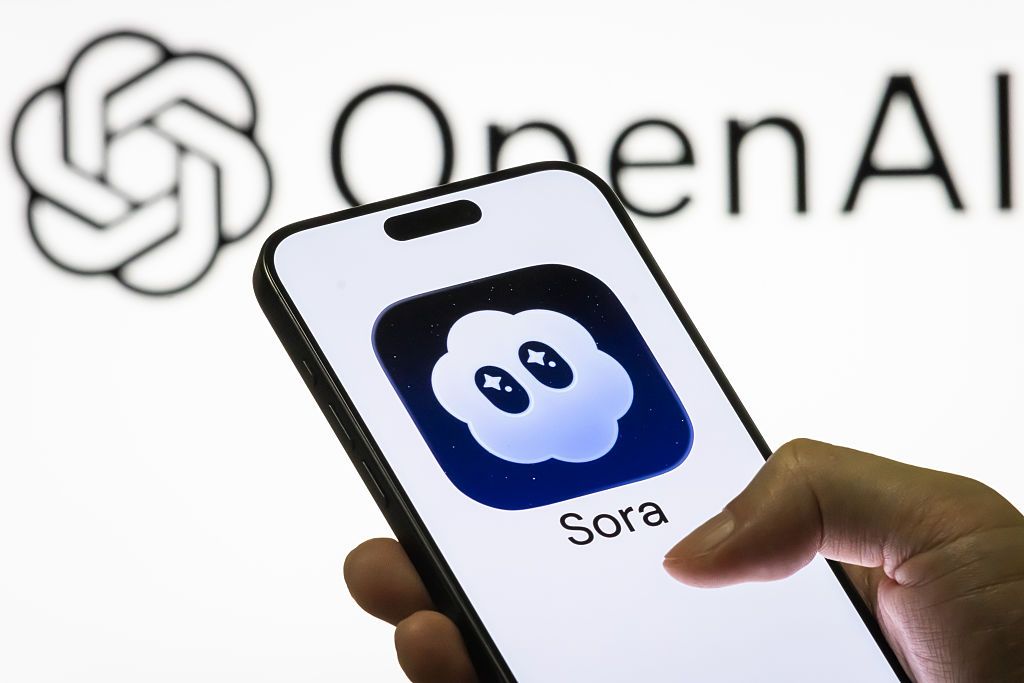
Principais pontos
- O encerramento do SORA pela OpenAI surpreendeu o mercado de IA generativa, levantando questões sobre as razões por trás da decisão.
- A descontinuação pode estar relacionada a desafios técnicos, custos operacionais ou alinhamento estratégico com outros projetos da empresa.
- Empresas que utilizavam o SORA precisarão buscar alternativas, o que pode impactar fluxos de trabalho e custos.
- A decisão reflete uma tendência de maior seletividade em projetos de IA, priorizando soluções com maior escalabilidade e retorno financeiro.
- O futuro da IA generativa pode ser moldado por um foco em projetos com aplicação prática e sustentabilidade a longo prazo.
O que foi o SORA e por que seu encerramento é relevante?
O SORA foi um dos projetos mais ambiciosos da OpenAI no campo da IA generativa, focado na criação de vídeos a partir de descrições textuais. Utilizando técnicas avançadas de tratamento de linguagem natural (NLP) e modelos de difusão, o SORA prometia revolucionar a produção de conteúdo visual, permitindo que empresas e criadores gerassem vídeos de alta qualidade com poucos cliques.
Seu encerramento, no entanto, levanta questões importantes sobre os desafios enfrentados pela OpenAI e pelo mercado de IA como um todo. Embora a empresa não tenha divulgado detalhes oficiais, analistas apontam para possíveis razões técnicas, financeiras ou estratégicas.
Possíveis razões para o encerramento do SORA
1. Desafios técnicos e operacionais
A geração de vídeos por IA é uma tarefa complexa, que exige recursos computacionais significativos e modelos altamente sofisticados. Diferentemente da geração de texto ou imagens, a criação de vídeos envolve a manipulação de múltiplos quadros por segundo, sincronização de áudio e manutenção de coerência visual ao longo do tempo. Esses desafios podem ter tornado o SORA inviável em larga escala.
2. Custos elevados e retorno financeiro incerto
Manter um projeto como o SORA demanda investimentos contínuos em infraestrutura, pesquisa e desenvolvimento. Se a OpenAI não identificou um caminho claro para monetização ou escalabilidade, a decisão de descontinuar o projeto pode ter sido uma medida para otimizar recursos e focar em iniciativas com maior potencial de retorno.
3. Alinhamento estratégico com outros projetos
A OpenAI tem direcionado seus esforços para soluções com aplicação mais ampla, como o ChatGPT e modelos de linguagem de grande porte (LLMs). Projetos como o SORA, embora inovadores, podem não ter se alinhado com a visão de longo prazo da empresa, que prioriza ferramentas com maior impacto no mercado e na sociedade.
4. Questões éticas e regulatórias
A geração de vídeos por IA levanta preocupações éticas, como a criação de deepfakes ou conteúdo enganoso. Se a OpenAI identificou riscos significativos nesse sentido, pode ter optado por encerrar o projeto para evitar potenciais problemas legais ou de reputação.
Impactos do encerramento do SORA
Para empresas e desenvolvedores
Empresas que utilizavam o SORA para criação de conteúdo, marketing ou automação de processos podem enfrentar desafios na transição para alternativas. Ferramentas como Runway ML, Pika Labs e outras soluções de IA generativa estão disponíveis, mas podem não oferecer os mesmos recursos ou qualidade. Além disso, a mudança pode exigir ajustes em fluxos de trabalho e investimentos adicionais em treinamento ou integração.
Para o mercado de IA generativa
O encerramento do SORA pode sinalizar uma tendência de maior seletividade por parte das empresas de IA. Projetos com alto potencial de inovação, mas baixa viabilidade comercial ou técnica, podem ser descontinuados em favor de soluções com maior escalabilidade e retorno financeiro. Isso pode acelerar a consolidação do mercado em torno de ferramentas com aplicação prática e sustentabilidade a longo prazo.
Para a concorrência
Empresas que desenvolvem soluções similares ao SORA, como Google (Imagen Video) e Meta (Make-A-Video), podem se beneficiar do encerramento do projeto. A ausência do SORA abre espaço para que essas empresas capturem parte do mercado e acelerem o desenvolvimento de suas próprias tecnologias.
O que o encerramento do SORA revela sobre o modelo de negócios da OpenAI?
A decisão de descontinuar o SORA reflete uma abordagem estratégica da OpenAI, que parece priorizar projetos com maior potencial de impacto e retorno financeiro. Enquanto o SORA era uma ferramenta inovadora, sua aplicação prática pode ter sido limitada em comparação com soluções como o ChatGPT, que têm uso mais amplo em áreas como atendimento ao cliente, automação de tarefas e criação de conteúdo.
Além disso, a OpenAI tem investido em parcerias com grandes empresas e na comercialização de APIs, o que sugere um foco em modelos de negócios escaláveis e sustentáveis. Projetos como o SORA, que demandam recursos significativos sem garantia de retorno imediato, podem não se encaixar nessa estratégia.
O futuro da IA generativa após o SORA
O encerramento do SORA não significa o fim da inovação em geração de vídeos por IA, mas sim uma mudança de foco. Empresas como a Paisible AI e outras startups de IA estão desenvolvendo soluções para automatizar a criação de conteúdo, gerenciar redes sociais e otimizar a relação com clientes, demonstrando que o mercado continua em expansão.
No entanto, o caso do SORA serve como um lembrete de que a viabilidade técnica e comercial são fatores cruciais para o sucesso de projetos de IA. Empresas e desenvolvedores devem avaliar cuidadosamente o retorno sobre o investimento (ROI) e a escalabilidade de suas soluções antes de apostar em tecnologias emergentes.
FAQ
Por que a OpenAI decidiu encerrar o SORA?
Embora a OpenAI não tenha divulgado detalhes oficiais, especula-se que fatores como viabilidade técnica, custos operacionais elevados, desafios éticos e alinhamento estratégico com outros projetos da empresa possam ter influenciado a decisão.
Quais são os impactos do fim do SORA para empresas que utilizavam a ferramenta?
Empresas que dependiam do SORA para criação de conteúdo podem enfrentar desafios na transição para alternativas, como a necessidade de reavaliar fluxos de trabalho, custos e a qualidade das soluções substitutas.
O que o encerramento do SORA revela sobre o modelo de negócios da OpenAI?
A decisão sugere que a OpenAI está priorizando projetos com maior escalabilidade, retorno financeiro ou alinhamento estratégico, como o ChatGPT e outras soluções de IA generativa com aplicação mais ampla.
Existem alternativas ao SORA no mercado?
Sim, ferramentas como Runway ML, Pika Labs e até soluções personalizadas baseadas em modelos de IA generativa estão disponíveis, embora possam apresentar diferenças em termos de custo, qualidade e recursos.
Como o fim do SORA afeta o futuro da IA generativa?
O encerramento do SORA pode sinalizar uma tendência de maior seletividade por parte das empresas de IA, focando em projetos com maior potencial de impacto e sustentabilidade financeira, o que pode acelerar a inovação em áreas mais promissoras.